Services

A scan is the starting point, not the finished product. This is what you receive.

Video and imagery

The real space or product, combined with what comes next.

For whom

For anyone who needs to communicate a renovation, a new machine or a new collection to clients, residents, decision-makers or the press.

What you receive

  • One or more short films following a deliberate camera path through the scan, with the Axes 3D design integrated.
  • High-resolution stills for print and web.
  • Portrait and square social-media versions on request.

How it works

We scan the space or product on location. Axes places the design in the scan. You review a preview before receiving the final files.

Interactive web experience

Explore the scan yourself in a browser, including on your own website.

For whom

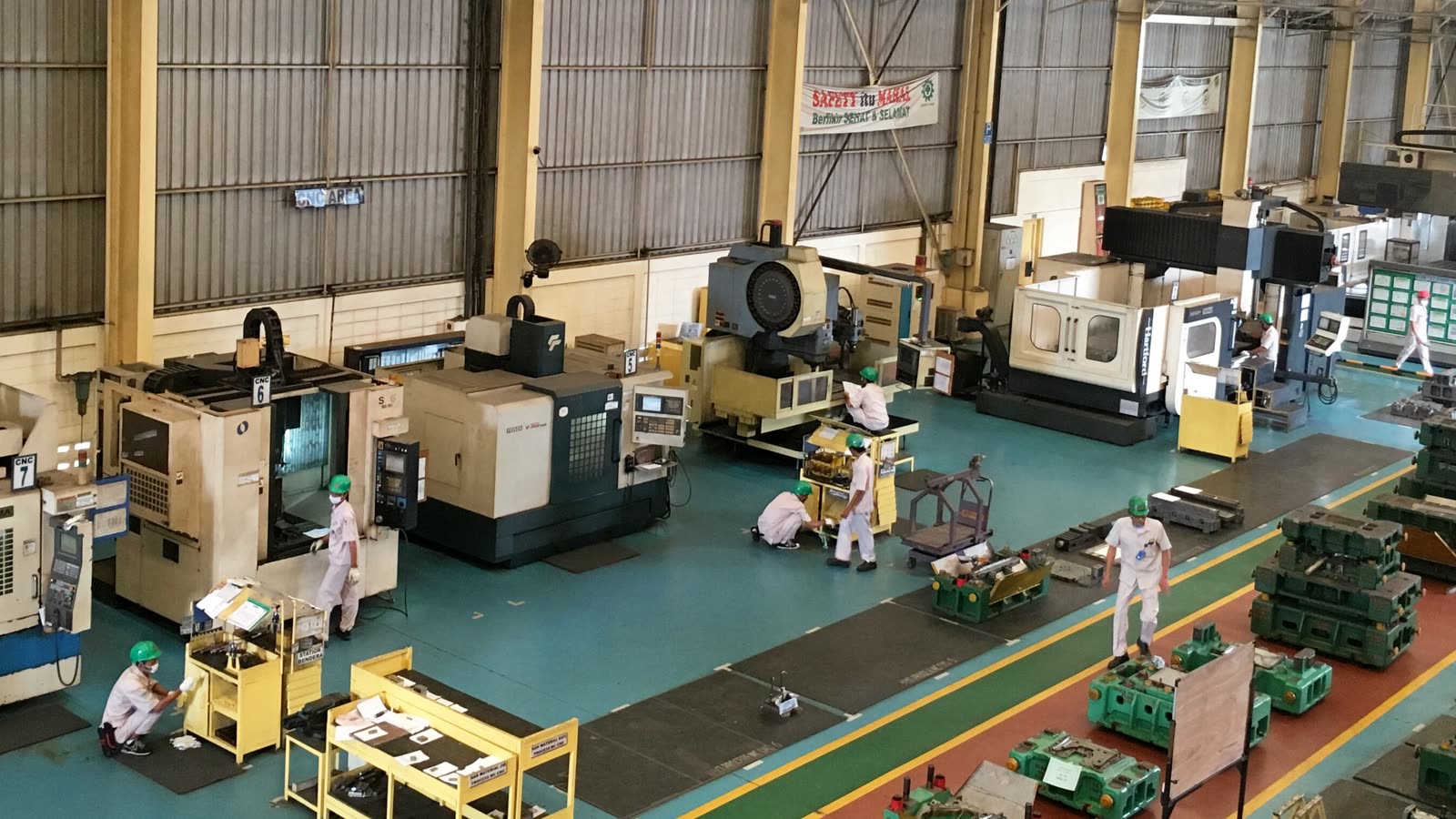
For property, showrooms, museums or factories where visitors need to look around for themselves.

What you receive

  • A web viewer for desktop and mobile.
  • An embed for your own website or a standalone page.
  • A video of the same scene as a fallback for devices that cannot run the 3D view.

How it works

After scanning, we optimise the scene for the browser and define the starting point and experience with you. You receive a test link followed by the embed code.

3D integration

The Axes design inside the scanned reality—or the other way around.

For whom

For architects, interior designers, product companies and engineers who need to judge the new design in its real setting.

What you receive

  • The scan as accurate, scaled context for the 3D design.
  • Images and films in which design and reality become one.
  • The scan as a file for your own 3D software on request.

How it works

We agree which elements are scanned and which are modelled. Splatmatter and Axes then continue working in a single scene.

VR

Experience the scan at full scale.

For whom

For presentations where scale and spatial experience matter: a showroom, a production hall or a building that does not yet exist.

What you receive

  • The scan, with or without a 3D design, as a VR experience.
  • Guidance during the first session if required.

How it works

The same scan used for video and web, prepared for the headset you use.

Process

Scanning

We visit with 360-degree cameras and Lidar. A space of several hundred square metres can be captured in fifteen minutes to an hour; a product takes minutes.

Processing

The recordings become a Gaussian splat: a three-dimensional representation preserving light, materials and atmosphere. We clean and optimise it for its intended use.

Integrating and delivering

Axes places the design in the scan, or we place the scan in the design. You receive video, imagery, a web experience or VR.

Straight answers

What is a Gaussian splat?
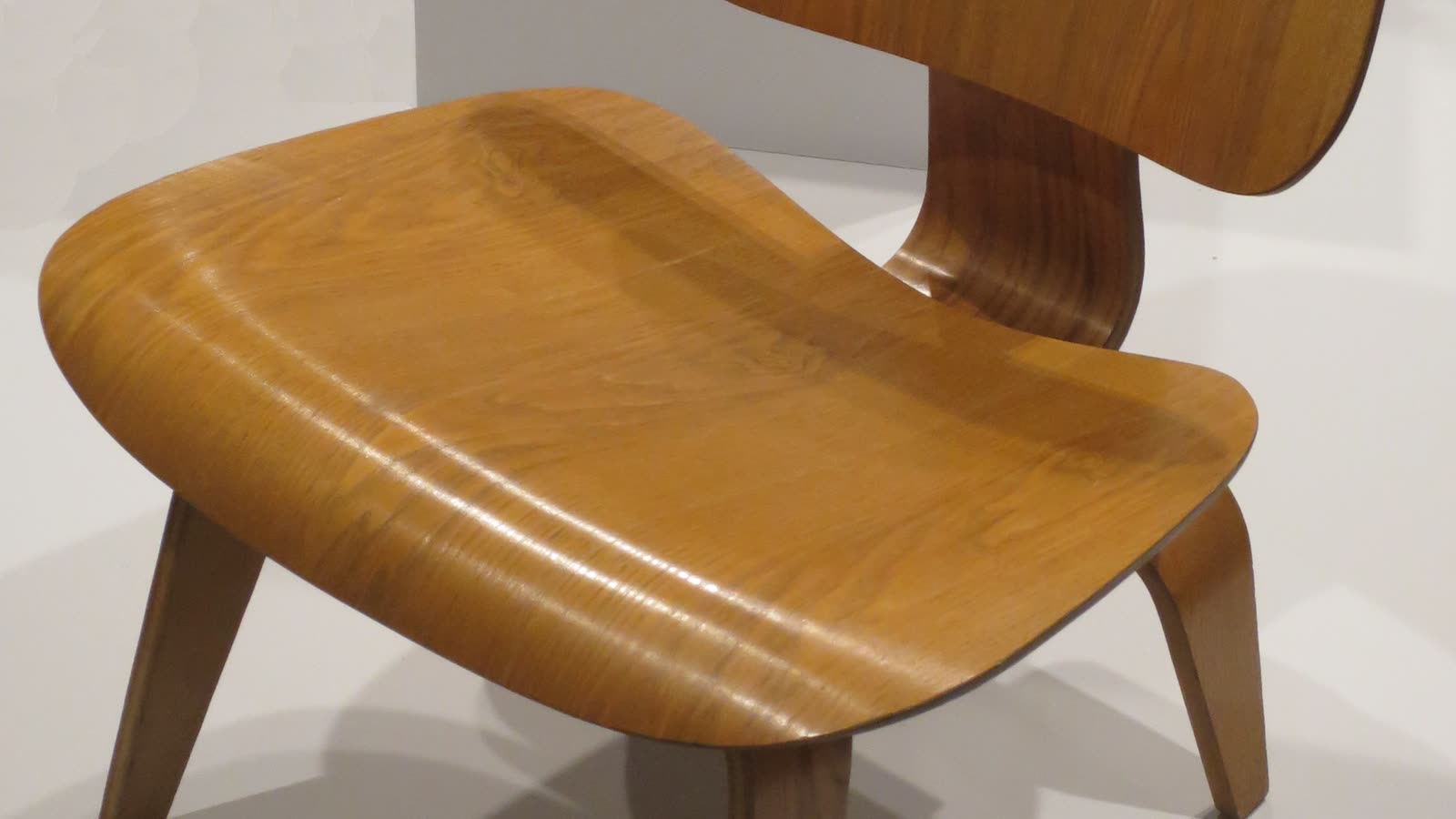
A way to capture a real space or object in three dimensions from photographs and video. Millions of small translucent marks combine into a realistic scene through which you can move freely.
How is it different from photogrammetry?
Photogrammetry creates a geometric model with a texture. It is measurable but struggles with glass, reflections and atmosphere. A splat handles those qualities particularly well; we use Lidar data alongside it for measurements.
How is it different from a 360 photograph or Matterport?
A 360 photograph lets you look around from one point. Matterport connects several of those points. A splat lets you move freely and can be combined with a 3D design.
When is a splat not the right choice?
If measurements are the primary goal, a conventional point cloud or photogrammetry may be more suitable. If you only need to look around from a fixed point, a 360 photograph may be enough.
How heavy is a splat on a website?
A compressed scene is generally ten to forty megabytes. We therefore show an image first and only load the scene when the visitor chooses to.
Can I use the scan myself?
Yes. On request you receive the scan as a file for your 3D software or as an embed for your own website.
Have a question or want to know what Splatmatter could do for you?